admin

Reobar Explained: How Steel Reinforcement Affects Home Strength and Long-Term Value

Reobar Explained: How Steel Reinforcement Affects Home Strength and Long-Term Value

This guide explains what rebar does, how it influences structural performance, and why it can affect long-term value when owners sell, remortgage, or renovate.

What is rebar, and why is it used in homes?

Rebar is steel reinforcement placed within concrete elements such as slabs, footings, beams, columns, retaining walls, and stairs. It is used because concrete is strong in compression but weak in tension, while steel performs well in tension.

Together, concrete and reobar create reinforced concrete that better resists cracking, bending, and settlement. In practical terms, it helps a home stay level, stable, and durable under loads and over changing seasons. For more information, visit https://covertprocurement.com.au/product/reo-bar-safety-protection-strips-1m-in-length/ to explore the role of reobar in reinforced concrete construction.

Reobar

How does rebar actually make concrete stronger?

Rebar improves strength by carrying tensile forces that concrete cannot. When a slab or beam bends slightly under weight, the tension zone develops micro-cracks, and the steel reinforcement helps control those cracks and maintain capacity.

It also improves ductility, meaning the structure can deform slightly without sudden failure. That controlled behaviour is a key reason engineers rely on rebar in foundations and load-bearing components.

Where is rebar typically found in a house?

In most reinforced concrete homes, rebar is commonly found in footings, ground-bearing slabs, suspended slabs, lintels, ring beams, columns, and retaining walls. It may also be used around openings, corners, and changes in level where stress concentrations occur.

Even where a house looks like “just concrete,” the placement, spacing, and cover of rebar often determine whether that concrete performs well for decades.

What happens if rebar is missing, poorly placed, or under-specified?

If rebar is missing or reduced below design needs, cracking can become wider and more frequent, deflection can increase, and localised failures become more likely under loads. Poor placement is also common, such as bars sitting too high or too low in slabs, reducing their effectiveness.

Under-specified rebar can also limit future flexibility. For example, owners may struggle to add heavy finishes, extend rooms, or change layouts if the original reinforcement is marginal.

How does rebar influence cracking, settling, and structural movement?

Cracking is not always a sign of danger, but crack width and pattern matter. Rebar helps limit crack widths by distributing tensile stresses and keeping concrete sections working as a unit.

Settlement and movement can be worsened when reinforcement is inadequate in footings and tie beams. Well-designed rebar detailing can improve continuity across the structure, reducing differential movement that often shows up as stepped cracks in masonry or uneven floors.

Reobar

How does corrosion affect rebar and long-term durability?

Corrosion is one of the biggest long-term risks to rebar, especially when concrete cover is insufficient or when chloride exposure is present. When steel corrodes, it expands, which can crack and spall the surrounding concrete, exposing more steel and accelerating deterioration.

That cycle can turn a cosmetic issue into a structural repair. Protecting rebar through proper cover, good concrete quality, and moisture control is a practical way to safeguard durability.

What does “cover” mean, and why does it matter for rebar?

Cover is the thickness of concrete between the surface and the rebar. Adequate cover protects the steel from water, oxygen, and aggressive agents, and it also helps with fire resistance.

Too little cover can lead to early corrosion and spalling. Too much cover can reduce structural efficiency in certain elements. This is why rebar placement is not just about “adding steel,” but about positioning it correctly.

How can rebar affect renovation plans and extension costs?

Renovations often involve cutting openings, drilling fixings, removing walls, or adding loads. Rebar can limit where penetrations can safely go and may require scanning before cutting to avoid severing reinforcement in slabs or beams.

On the other hand, a home with sensibly designed rebar may handle planned upgrades more confidently, reducing the need for expensive strengthening work when owners extend kitchens, add upper floors, or build retaining structures.

How does rebar impact a home’s resale value and buyer confidence?

Buyers rarely “see” reinforcement, but it shows up in outcomes: straighter floors, fewer worrying cracks, and less evidence of movement. Where inspections identify structural concerns, the implied quality of rebar detailing and workmanship can affect negotiations. Learn more about how reinforcement detailing and workmanship influence structural performance and property evaluations.

Documentation can also matter. Clear drawings, compliance certificates, and records of structural work can reduce uncertainty. When buyers trust the hidden structure, it can support stronger offers and smoother sales.

What should homeowners ask a builder or engineer about rebar?

They should ask what standard the design follows, how bar size and spacing were determined, and how placement will be checked before pouring. They should also ask about concrete cover, spacers, lap lengths, and how the reinforcement will be supported so it does not shift during the pour.

For existing homes, they can ask whether visible cracks suggest movement, moisture ingress, or potential rebar corrosion, and whether a structural assessment is warranted.

How can they spot warning signs linked to rebar problems?

They should look for rust staining, spalling concrete, exposed steel, widening cracks, and recurring damp patches near concrete edges. Uneven floors, doors sticking, or cracks that grow seasonally can indicate movement that may relate to reinforcement design, soil behaviour, or drainage.

These signs do not automatically prove rebar failure, but they are reasons to investigate early, while repairs remain simpler and cheaper.

Reobar

What is the simplest takeaway about rebar and long-term value?

Rebar is not an optional upgrade; it is a core part of how many homes stay strong, safe, and stable over time. When it is designed well, installed correctly, and protected from corrosion, it helps reduce costly defects and supports future renovations.

In resale terms, good reinforcement tends to show up as fewer red flags, fewer repair bills, and stronger buyer confidence, which is exactly what protects long-term value.


Posted by admin in Structural Reinforcement & Concrete
Scaffold Netting: A Guide to Safer, Cleaner, and More Organised Worksites

Scaffold Netting: A Guide to Safer, Cleaner, and More Organised Worksites

Used well, it supports safer routines, tidier surroundings, and fewer complaints from neighbouring properties. This guide explains what it is, when it helps most, and how teams can get it right.

What is scaffold netting and what does it actually do?

Scaffold netting is a protective mesh fixed to scaffolding to contain loose materials and limit what leaves the work zone. It also helps define exclusion areas, making it easier for crews and visitors to see where hazards may exist.

In practice, it reduces falling debris incidents, controls light dust spread, and improves overall site presentation.

Why do worksites use scaffold netting for safety?

The primary safety value of scaffold netting is containment. If small tools, offcuts, or rubble are knocked loose, the mesh helps stop them travelling beyond the scaffold line.

It also supports better site discipline by encouraging clearer boundaries. When combined with toe boards, brick guards, and good housekeeping, scaffold netting strengthens the site’s overall fall and dropped object controls.

How does scaffold netting help keep a site cleaner and more organised?

A cleaner site is easier to manage, and scaffold netting helps by reducing wind-blown waste and limiting the spread of dust and packaging. That matters on high streets, near schools, and on tight residential projects where public patience is thin.

By keeping more debris within the scaffold footprint, teams spend less time chasing litter and more time completing planned work.

When is scaffold netting most useful?

Scaffold netting is most useful where there is height, exposure, or public proximity. That includes façade works, roof repairs, repointing, rendering, demolition strips, and any job producing small fragments that could fall or be carried by wind.

It is also valuable on long-duration projects because consistency matters. If the scaffold stays up for weeks, scaffold netting helps maintain safety and presentation day after day.

What types of scaffold netting are commonly used?

Most sites choose mesh by balancing airflow, visibility, and containment. Standard debris mesh is common because it is lightweight and practical for general protection.

Some projects use tighter weave options for better dust control, while others select heavier grades for harsher weather exposure. Whatever the choice, scaffold netting should match the task rather than being treated as a one-size-fits-all add-on.

Scaffold Netting

How should scaffold netting be installed to perform properly?

Good performance starts with correct fixing and tension. Scaffold netting should be secured with appropriate ties or clips at regular intervals, kept taut to reduce flapping, and lapped correctly at joins to avoid gaps.

Corners, returns, and loading bays need extra attention because wind finds weak points fast. If scaffold netting is loose or torn, it can create hazards rather than reduce them, so installation quality matters.

What inspections and maintenance does scaffold netting need?

Scaffold netting should be checked as part of routine scaffold inspections and after high winds. Teams should look for tears, failed ties, loose edges, and abrasion where the mesh rubs against tubes or boards. For additional information on scaffold safety practices, visit: https://www.safeworkaustralia.gov.au/doc/guide-scaffold-inspection-and-maintenance

Damaged sections should be repaired or replaced promptly. Leaving compromised scaffold netting in place can reduce containment, increase noise from flapping mesh, and undermine the site’s safety controls.

Can scaffold netting reduce complaints from neighbours and the public?

Yes, because it improves both perception and impact. Scaffold netting helps limit dust drift and reduces the chance of small debris landing on adjacent pavements, gardens, or parked vehicles.

It also signals that a site is being managed professionally. When passers-by see clear protective measures like scaffold netting, they are more likely to trust that the work is controlled, even when it is disruptive.

What are common mistakes to avoid with scaffold netting?

A frequent mistake is treating scaffold netting as a substitute for other controls. It supports safety, but it does not replace toe boards, tidy platforms, proper loading practices, or exclusion zones.

Other common issues include poor tensioning, insufficient fixings, and ignoring weather exposure. If scaffold netting is installed badly or left damaged, it can become a sail in the wind and put extra stress on the scaffold and its ties.

Scaffold Netting

How can a site choose the right scaffold netting for the job?

They should start with the risk: what needs containing, where the public are, and how exposed the scaffold is. Then they can select a mesh grade suited to debris size, dust levels, and expected wind conditions.

It also helps to align choices with the scaffold design and inspection plan. The best results come when scaffold netting is treated as part of the overall temporary works strategy, not an afterthought added on the day the scaffold goes up.

Posted by admin in Construction Safety & Site Protection
Understanding Stump Grinding

Understanding Stump Grinding

Stump grinding is a crucial process in landscaping and tree management, particularly for homeowners and businesses looking to enhance their outdoor spaces. This technique not only removes unsightly tree stumps but also promotes a healthier environment by allowing new growth. In this guide, we will delve into the intricacies of stump grinding, including its benefits, costs, and the latest advancements in technology.

What is Stump Grinding?

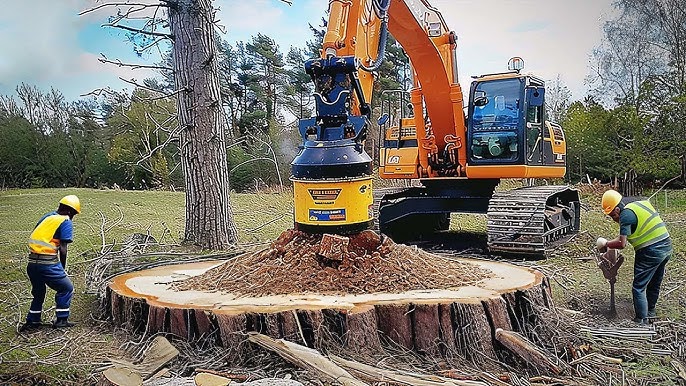
Stump grinding involves the use of specialised machinery to grind down tree stumps into small wood chips. This process is essential after a tree has been felled, as it eliminates the remnants that can obstruct landscaping efforts or pose safety hazards. The equipment used varies in size and capability, ranging from small, portable grinders to larger, more powerful machines suited for extensive operations.

Typically, a stump grinder operates by using a rotating cutting disc with sharp teeth that chip away at the stump. The depth and width of the grinding can be adjusted based on the size of the stump and the desired outcome. The result is a level surface that can be easily covered with soil or grass, allowing for seamless integration into the surrounding landscape.

Benefits of Stump Grinding

There are several advantages to stump grinding that make it a preferred choice for many property owners. Firstly, it significantly improves the aesthetic appeal of a garden or yard. A visible stump can detract from the overall beauty of a landscape, and removing it creates a cleaner, more polished look.

Secondly, stump grinding helps prevent pest infestations. Stumps can attract insects such as termites and beetles, which may eventually spread to healthy trees and plants nearby. By grinding the stump, you eliminate a potential breeding ground for these pests, thereby protecting your garden.

Lastly, stump grinding is a more environmentally friendly option compared to traditional stump removal methods, which often involve digging out the entire root system. Grinding leaves behind the roots, which can decompose naturally and enrich the soil over time.

Cost of Stump Grinding Services

The cost of stump grinding can vary widely based on several factors, including the size of the stump, its location, and the complexity of the job. On average, homeowners can expect to pay around $250 per stump, though prices can range from as low as $30 to as high as $1,600. Larger stumps or those in difficult-to-access areas may incur higher fees due to the additional labour and equipment required.

When considering stump grinding, it’s essential to obtain multiple quotes from local service providers. This not only helps you compare prices but also gives you insight into the quality of service offered. Some companies may include additional services, such as site cleanup or filling in the hole left after grinding, which can affect the overall cost.

Factors Influencing Stump Grinding Costs

  • Stump Size: Larger stumps require more time and effort to grind down, leading to higher costs.
  • Location: Stumps located in hard-to-reach areas may require specialised equipment, increasing the price.
  • Tree Type: Certain tree species have denser wood, making them more challenging to grind.
  • Access: If the stump is near structures or other obstacles, additional care may be needed, impacting the cost.

See Also : Get Your Free Hedge Trimming Estimate Today

Technological Advancements in Stump Grinding

The stump grinding industry has seen significant technological advancements in recent years. One notable development is the introduction of compact stump grinders, such as the FSI B31-980. Launched in August 2024, this machine features a 38-horsepower engine and a narrow design of just 74 cm, allowing for enhanced manoeuvrability in tight spaces.

These advancements not only improve efficiency but also reduce the environmental impact of stump grinding. Modern machines are designed to operate with lower emissions and noise levels, making them more suitable for residential areas. Additionally, many new models come equipped with advanced safety features, ensuring that operators can work without risk of injury.

Future Trends in Stump Grinding Technology

As urbanisation continues to rise, the demand for efficient stump grinding solutions is expected to grow. Innovations such as automated stump grinders and remote-controlled models are on the horizon, promising to further streamline the process. These technologies could reduce the need for manual labour, making stump grinding more accessible and cost-effective for both homeowners and landscaping companies.

Moreover, the integration of artificial intelligence in stump grinding equipment could lead to smarter machines that can assess the size and type of stump automatically, adjusting their grinding techniques accordingly. This would not only enhance efficiency but also improve the overall quality of the work performed.

The Stump Grinder Rental Market

For those who prefer a DIY approach, renting a stump grinder can be a practical solution. The stump grinder rental market is projected to reach $178 million by 2033, growing at a CAGR of 4.7%. This growth is largely driven by urbanisation and an increasing demand for landscaping services.

Renting a stump grinder allows homeowners to save on costs, especially if they only need to grind a few stumps. However, it’s crucial to choose the right equipment based on the size and number of stumps to be removed. Rental companies typically offer a range of machines, from smaller models for residential use to larger, more powerful grinders for commercial applications.

Tips for Renting a Stump Grinder

  • Assess Your Needs: Determine the size and number of stumps you need to grind before selecting a machine.
  • Understand the Rental Agreement: Familiarise yourself with the terms and conditions, including insurance and liability coverage.
  • Seek Guidance: Don’t hesitate to ask rental staff for advice on operating the equipment safely and effectively.
  • Inspect the Equipment: Before taking the grinder, check for any damage or wear and ensure it’s in good working condition.
Stump grinding

Environmental Impact of Stump Grinding

Stump grinding is often viewed as an environmentally friendly option compared to traditional stump removal methods. By grinding the stump and leaving the roots in the ground, the natural decomposition process can occur, enriching the soil and promoting new growth. This is particularly beneficial in urban areas where green spaces are vital for ecological balance.

Additionally, stump grinding reduces the need for chemical treatments that may be harmful to the environment. Many homeowners are increasingly aware of the importance of sustainable practices in landscaping, and stump grinding aligns well with these values.

Other Resources : National Soil Strategy

Urbanisation and Stump Grinding Demand

The rise in urbanisation has led to a significant increase in the demand for stump grinding services. For instance, in Poland, investments in urban green space development projects have surged by 62% since 2020. Municipalities are recognising the importance of tree management and landscaping, allocating substantial budgets for these initiatives.

As cities expand, the need for effective tree management becomes more critical. Stump grinding plays a vital role in maintaining urban landscapes, ensuring that new developments can coexist with existing greenery. This trend is expected to continue, further driving the growth of the stump grinding market.

Conclusion

Stump grinding is an essential service for anyone looking to maintain their outdoor spaces effectively. With a growing market, advancements in technology, and increasing awareness of environmental impacts, stump grinding is set to become even more integral to landscaping practices. Whether you choose to hire a professional or rent equipment for a DIY project, understanding the nuances of stump grinding can help you make informed decisions that enhance the beauty and health of your garden.

Posted by admin in Stump Grinding
Get Your Free Hedge Trimming Estimate Today

Get Your Free Hedge Trimming Estimate Today

Maintaining a beautiful garden often involves regular hedge trimming, which can be a daunting task for many homeowners. Whether you’re looking to tidy up your hedges or reshape them entirely, understanding the costs involved is essential. A free hedge trimming estimate can provide clarity on what to expect, allowing you to make informed decisions about your garden care. In this guide, we’ll explore the benefits of obtaining a free estimate, the factors that influence hedge trimming costs, and how to choose the right service for your needs.

Why Obtain a Free Hedge Trimming Estimate?

Getting a free hedge trimming estimate is a smart first step for any homeowner. It not only helps you budget for the service but also gives you a clearer picture of what the job entails. Many landscaping companies offer free estimates to attract potential clients, making it easier for you to compare prices and services.

Additionally, a free estimate allows you to assess the expertise of the service provider. During the estimate, you can ask questions about their experience, techniques, and equipment. This interaction can help you gauge whether they are the right fit for your garden.

Understanding the Cost Factors

Several factors can influence the cost of hedge trimming, and understanding these can help you prepare for your estimate. Here are some key considerations:

  • Size of the Hedge: Larger hedges require more time and effort to trim, which can increase the overall cost.
  • Type of Hedge: Different species have varying growth rates and densities, affecting the complexity of the trimming process.
  • Access and Location: If your hedges are difficult to access or located on a steep slope, this may add to the labour costs.
  • Frequency of Maintenance: Regularly maintained hedges may cost less to trim compared to those that have been neglected for some time.

Benefits of Regular Hedge Trimming

Regular hedge trimming not only keeps your garden looking neat but also promotes healthy growth. Here are some benefits:

  1. Healthier Plants: Trimming encourages new growth and helps prevent diseases by allowing better air circulation.
  2. Enhanced Aesthetics: Well-maintained hedges improve the overall appearance of your garden, adding value to your property.
  3. Wildlife Support: By trimming at the right times, you can create a habitat that supports local wildlife, such as birds and beneficial insects.

How to Get Your Free Hedge Trimming Estimate

Obtaining a free hedge trimming estimate is a straightforward process. Here’s how you can go about it:

Research Local Services

Start by researching local landscaping companies that offer hedge trimming services. Look for businesses with good reviews and a solid reputation in your area. Websites and social media platforms can provide insights into customer experiences.

Contact Service Providers

Once you have a list of potential companies, reach out to them to request a free estimate. Many companies will offer to visit your property to assess the hedges in person, which allows for a more accurate quote. Be prepared to discuss the size and type of your hedges, as well as any specific requirements you may have.

Ask the Right Questions

During the estimate, don’t hesitate to ask questions. Here are some important ones to consider:

  • What is included in the estimate? (e.g., clean-up, disposal of clippings)
  • How long will the job take?
  • What equipment will be used?
  • Are there any guarantees or warranties for the work performed?

Choosing the Right Hedge Trimming Service

After receiving estimates from various providers, it’s time to choose the right service for your needs. Here are some tips to help you make an informed decision:

Compare Estimates

Don’t just go for the cheapest option. Compare what each estimate includes and consider the quality of service. A slightly higher price may be worth it for a company that uses better equipment or has more experience.

Check Qualifications and Experience

Ensure that the company you choose has the necessary qualifications and experience. Look for certifications, insurance, and a portfolio of previous work. This can give you confidence in their ability to handle your hedge trimming needs.

Read Reviews and Testimonials

Customer reviews can provide valuable insights into the quality of service you can expect. Look for testimonials on the company’s website or third-party review sites. Positive feedback from previous clients can be a strong indicator of reliability and professionalism.

free hedge trimming estimate

Environmental Considerations in Hedge Trimming

As awareness of environmental issues grows, many homeowners are opting for eco-friendly gardening practices. Electric hedge trimmers, for example, are becoming increasingly popular due to their lower noise levels and reduced emissions compared to petrol-powered models. This shift not only benefits the environment but also enhances the overall gardening experience.

Noise Pollution Reduction

Electric hedge trimmers are significantly quieter than their petrol counterparts, making them ideal for residential areas. With some models being up to three times quieter, you can maintain your garden without disturbing your neighbours. This is particularly beneficial in urban settings, where noise pollution can be a concern.

Wildlife Benefits

Another important aspect to consider is the impact of hedge trimming on local wildlife. Reducing the frequency of trimming can lead to increased berry production on certain hedges, providing food for overwintering wildlife. By trimming less often, you can create a more supportive environment for local fauna, contributing to biodiversity in your area.

Conclusion

Obtaining a free hedge trimming estimate is a crucial step in maintaining your garden. It allows you to understand the costs involved, assess the expertise of service providers, and make informed decisions. By considering factors such as the size and type of your hedges, as well as the environmental impact of your choices, you can ensure that your garden remains a beautiful and healthy space for years to come.

So, don’t hesitate-reach out to local landscaping services today and get your free hedge trimming estimate. Your garden will thank you!

Related : Understanding Stump Grinding

Posted by admin in Hedge Trimming
Buyers Advocate Sydney: Your Secret Weapon in a Hot Market

Buyers Advocate Sydney: Your Secret Weapon in a Hot Market

Sydney’s property market is one of the most competitive and fast-paced in the world. With demand consistently outpacing supply, it’s no wonder buyers face significant challenges when trying to secure their dream property. Whether you’re a first-time homebuyer or an experienced investor, navigating this hot market can be overwhelming. The constant pressure to act quickly, rising property prices, and fierce competition can cloud your judgment and lead to costly mistakes. That’s where a buyers advocate comes in. They’re your secret weapon for making smart, informed decisions without the stress and confusion.

What is a Buyers Advocate and How Do They Differ from Selling Agents?

A buyers advocate (or buyer’s agent) is a licensed professional who works exclusively for the buyer during a property transaction. Their role is to help you find the right property, negotiate the best price, and guide you through every step of the buying process. Essentially, they act as your trusted partner and advisor in a highly competitive market.

See more: Avoid Costly Repairs with Routine Air Conditioning Maintenance in Baulkham Hills

In contrast, selling agents represent the interests of the seller. Their goal is to achieve the highest possible sale price for the property. While a selling agent is working for the seller, a buyers advocate works solely for you, the buyer, ensuring that your interests are always prioritized.

The Benefits of Hiring a Buyers Advocate in Sydney

  1. Access to Off-Market Listings
    One of the biggest advantages of hiring a buyers advocate is their access to off-market listings. These are properties that aren’t advertised to the public, giving you access to hidden gems before they hit the market. Off-market properties often come at a more reasonable price because they don’t attract as much competition. A buyers advocate can tap into their industry network to bring these exclusive opportunities to you, potentially saving you thousands of dollars.
  2. Expert Negotiation Skills
    In a hot market like Sydney’s, negotiation is key. A buyers advocate is a seasoned professional who can help you negotiate the best deal. They know how to work with selling agents, assess a property’s true value, and identify any potential issues that could affect the price. Without a buyers advocate, you may find yourself overpaying or settling for a property that doesn’t quite meet your needs. With their expert negotiation skills, a buyers advocate ensures you secure the property at a fair price, avoiding costly mistakes.
  3. Time-Saving
    Searching for a property in Sydney can be time-consuming. Between attending open houses, doing research, arranging inspections, and dealing with paperwork, the process can quickly become overwhelming. A buyers advocate takes all of this off your hands. They do the research, schedule viewings, inspect properties, and handle the legalities. This allows you to focus on your professional life while they ensure that you’re making the right property decisions.

How Buyers Advocates Assist Both First-Home Buyers and Property Investors

For first-home buyers, Sydney’s competitive property market can be intimidating. The fear of overpaying or making a wrong decision can be paralyzing. A buyers advocate provides much-needed guidance, ensuring that you understand your options and are aware of any potential risks. They will help you navigate the complex process of securing finance, conducting inspections, and making an offer—all while ensuring you stay within budget and avoid common first-time buyer mistakes.

For property investors, a buyers advocate is an invaluable resource. They have deep knowledge of market trends, rental yields, and areas with high growth potential. Instead of wasting time looking at properties that don’t meet your investment goals, a buyers advocate will present you with opportunities that align with your strategy. Whether you’re looking for capital growth or high rental returns, they can help you make sound investment decisions that set you up for long-term success.

Real-World Examples: Simplifying Complex Decisions

Imagine you’re a busy professional who has found a property you like in a desirable suburb. The price seems reasonable, but you’re unsure if it’s worth the investment. Without a buyers advocate, you may feel pressured to make a quick decision out of fear of missing out. A buyers advocate will analyze the property’s true market value, compare it to similar properties in the area, and give you an informed opinion on whether it’s priced fairly. They may even negotiate a better deal on your behalf, saving you thousands of dollars in the process.

Buyers Advocate Sydney

Alternatively, let’s say you’re an investor looking at multiple properties in a high-demand area. While all of them seem like good options, you’re unsure which one will provide the best return on investment. A buyers advocate can conduct a thorough market analysis, taking into account rental yields, future growth potential, and the property’s condition. They’ll provide you with a clear recommendation based on your investment goals, ensuring you make a smart choice that aligns with your financial objectives.

Why Partnering with a Buyers Advocate Leads to Smarter, Stress-Free Property Purchases

Sydney’s property market is fast-paced, and making decisions under pressure can lead to mistakes. With a buyers advocate on your side, you have an expert guiding you every step of the way, ensuring you make informed, confident decisions. They handle all the details, saving you time and effort, while keeping your best interests at heart.

Having a buyers advocate means you’re not just buying a property—you’re making a strategic, well-planned investment. They’ll help you avoid costly errors, protect you from overpaying, and ensure the property you choose aligns with your long-term goals. With their support, the buying process becomes less stressful and more enjoyable.

Conclusion

If you’re considering purchasing property in Sydney’s competitive market, partnering with a buyers advocate is one of the smartest moves you can make. From access to off-market listings and expert negotiation skills to time-saving and market expertise, a buyers advocate is your secret weapon for navigating the property market with confidence.

By working with a buyers advocate, you’re ensuring that you make smarter, stress-free decisions that align with your financial goals. Don’t leave one of the biggest investments of your life to chance—consider hiring a buyers advocate for your next property purchase and enjoy a smooth, successful buying experience.

Posted by admin in Buyers Advocate
Woollahra Buyers Agent: Expert Support in the Property Market

Woollahra Buyers Agent: Expert Support in the Property Market

Woollahra, a picturesque suburb located in Sydney’s Eastern Suburbs, is renowned for its stunning architecture, lush greenery, and vibrant community. As the property market continues to evolve, navigating the complexities of buying a home in such a desirable area can be daunting. This is where a Woollahra buyers agent comes into play, offering expert support to potential homeowners and investors alike.

The Role of a Buyers Agent

A Woollahra buyers agent serves as a professional representative for individuals looking to purchase property. Unlike traditional real estate agents who represent sellers, buyers agents focus solely on the interests of the buyer. This distinction is crucial, especially in competitive markets like Woollahra, where properties can be snapped up quickly.

Understanding the Market

One of the primary advantages of engaging a buyers agent is their in-depth knowledge of the local property market. They possess a wealth of information regarding current trends, property values, and neighbourhood dynamics. This expertise allows them to provide valuable insights that can influence a buyer’s decision-making process.

Moreover, buyers agents often have access to off-market listings, which are properties not publicly advertised. This can give buyers a significant edge in a competitive environment, allowing them to explore options that others may not even be aware of.

Negotiation Skills

Negotiating the purchase price of a property can be one of the most challenging aspects of buying a home. A buyers agent brings expert negotiation skills to the table, ensuring that their clients secure the best possible deal. They understand the nuances of negotiation and can advocate effectively on behalf of the buyer.

Additionally, buyers agents are skilled in assessing the true value of a property. They can provide clients with comprehensive market analyses, helping them to make informed offers based on comparable sales and current market conditions.

Streamlined Process

The property buying process can be overwhelming, involving numerous steps from initial research to final settlement. A buyers agent simplifies this process by managing all aspects of the purchase. They handle everything from property inspections and due diligence to liaising with solicitors and mortgage brokers.

This streamlined approach not only saves time but also reduces stress for buyers. With a buyers agent by their side, clients can focus on finding their dream home while leaving the intricate details to the professionals.

Why Choose Woollahra?

Woollahra is not just a suburb; it is a lifestyle choice. Its blend of heritage homes, modern amenities, and proximity to the Sydney CBD makes it an attractive option for many buyers. Understanding the unique characteristics of Woollahra can help potential buyers appreciate why this area is so sought after.

Community and Lifestyle

The Woollahra community is vibrant and diverse, offering a range of cultural and recreational activities. From boutique shopping to fine dining, residents enjoy a lifestyle that balances urban convenience with suburban charm. The area is also home to several parks and green spaces, providing ample opportunities for outdoor activities.

Additionally, Woollahra boasts excellent schools and educational facilities, making it a popular choice for families. The combination of a strong community spirit and quality amenities contributes to the suburb’s appeal, ensuring that property values remain robust.

Architectural Diversity

One of the defining features of Woollahra is its architectural diversity. The suburb showcases an array of styles, from Victorian terraces to contemporary homes. This variety not only enhances the aesthetic appeal of the area but also offers buyers a wide range of options to suit their preferences and budgets.

Furthermore, many properties in Woollahra are situated on spacious blocks, providing opportunities for renovations or extensions. Buyers looking to invest in property here can benefit from the potential for capital growth, particularly as the demand for housing in the area continues to rise.

Investment Potential

Investing in Woollahra can be a lucrative decision, given the suburb’s strong rental market and potential for capital appreciation. The demand for rental properties remains high, driven by the area’s desirable location and amenities. Investors can expect solid returns, making Woollahra an attractive option for those looking to expand their property portfolio.

Moreover, the ongoing development and infrastructure improvements in the Eastern Suburbs further enhance the investment appeal. As Woollahra continues to evolve, property values are likely to appreciate, providing investors with a promising opportunity for long-term growth.

How to Choose the Right Buyers Agent

With numerous buyers agents operating in Woollahra, selecting the right one can be a daunting task. However, certain criteria can help buyers make an informed decision and find an agent who aligns with their needs.

Experience and Expertise

When choosing a buyers agent, it is essential to consider their experience and expertise in the local market. An agent with a proven track record in Woollahra will have a deeper understanding of the area and its unique property dynamics. This knowledge can be invaluable when it comes to identifying suitable properties and negotiating favourable terms.

woollahra buyers agent

Prospective buyers should also look for agents who are members of professional associations, such as the Real Estate Buyers Agents Association of Australia (REBAA). Membership in such organisations often indicates a commitment to ethical practices and ongoing professional development. Click here to learn about Waverley Buyers Agent: how they can help you find the perfect home.

Client Testimonials and Reviews

Reading client testimonials and reviews can provide valuable insights into a buyers agent’s performance and reputation. Positive feedback from previous clients can indicate a high level of service and satisfaction. Additionally, potential buyers should not hesitate to ask for references from past clients to gain a better understanding of the agent’s capabilities.

Furthermore, engaging in initial consultations with potential buyers agents can help gauge their communication style and approach. A good rapport between the agent and the client is crucial for a successful partnership throughout the buying process.

Fees and Services Offered

Understanding the fee structure of a buyers agent is vital before entering into an agreement. Different agents may have varying fee structures, including fixed fees, percentage-based fees, or a combination of both. It is important to clarify these details upfront to avoid any misunderstandings later on.

In addition to fees, buyers should also inquire about the range of services offered by the agent. Some agents may provide comprehensive services that include property inspections, market analysis, and ongoing support throughout the buying process. Others may offer more limited services. Assessing these factors can help buyers select an agent that meets their specific needs.

The Future of Woollahra’s Property Market

The property market in Woollahra is expected to continue evolving, driven by various factors including population growth, urban development, and changing buyer preferences. As Sydney’s Eastern Suburbs remain a desirable location, the demand for properties in Woollahra is likely to remain strong.

Urban Development and Infrastructure

Ongoing urban development projects and infrastructure improvements in the Eastern Suburbs will play a significant role in shaping Woollahra’s property market. Upgrades to public transport, roads, and community facilities can enhance the area’s appeal and accessibility, attracting more buyers and investors.

As Woollahra becomes increasingly connected to the wider Sydney region, property values are expected to rise. Buyers looking to invest in the area can benefit from these developments, as they contribute to the overall desirability of the suburb.

Shifting Buyer Preferences

In recent years, there has been a noticeable shift in buyer preferences, with many individuals seeking properties that offer a blend of lifestyle and convenience. Woollahra’s unique combination of urban amenities and green spaces positions it well to meet these demands.

As remote working becomes more prevalent, buyers are also prioritising homes that provide adequate space for home offices and outdoor areas for relaxation. Woollahra’s architectural diversity and spacious properties cater to these evolving preferences, making it an attractive option for a wide range of buyers.

woollahra buyers agent

Conclusion

Engaging a Woollahra buyers agent can provide invaluable support in navigating the complexities of the property market. With their expertise, negotiation skills, and understanding of the local landscape, buyers can make informed decisions and secure their dream homes in this sought-after suburb.

As Woollahra continues to evolve, the opportunities for buyers and investors remain promising. By choosing the right buyers agent, individuals can confidently embark on their property journey, knowing they have expert support every step of the way.

Posted by admin in buyers agent Woollahra
Waverley Buyers Agent: How They Can Help You Find the Perfect Home

Waverley Buyers Agent: How They Can Help You Find the Perfect Home

Finding the perfect home can often feel like an overwhelming task, especially in a competitive market. For those looking to buy in Waverley, engaging a buyers agent can be a game changer. These professionals offer a wealth of knowledge and expertise that can simplify the home-buying process, making it more efficient and less stressful.

What is a Buyers Agent?

A Waverley buyers agent is a licensed professional who represents the interests of the buyer in a property transaction. Unlike a traditional real estate agent who typically works for the seller, a buyers agent is dedicated to helping you find the right property, negotiate the best price, and navigate the complexities of the buying process.

The Role of a Buyers Agent

The primary role of a buyers agent is to act as an advocate for the buyer. This includes researching properties, arranging inspections, and providing insights into the local market. They also assist in negotiating offers and can provide valuable advice on financing options and potential investment opportunities.

Moreover, a buyers agent can save you time and effort. Instead of spending countless hours searching for properties, attending open houses, and dealing with paperwork, a buyers agent streamlines the process. They do the legwork, allowing you to focus on what truly matters—finding a home that suits your needs.

Why Choose a Buyers Agent in Waverley?

Waverley is a vibrant suburb in Melbourne, known for its family-friendly atmosphere, excellent schools, and proximity to parks and recreational facilities. However, the local real estate market can be competitive, making it essential to have an expert on your side.

A buyers agent familiar with the Waverley area will have a deep understanding of the local property landscape. They can provide insights into the best neighbourhoods, upcoming developments, and market trends that may affect property values. This knowledge can be invaluable in making informed decisions and securing the best possible deal.

In addition to their market expertise, a buyers agent can also offer a wealth of resources that may not be readily available to the average buyer. They often have established relationships with local inspectors, contractors, and even mortgage brokers, which can facilitate a smoother buying process. Furthermore, they are adept at identifying potential issues with properties that may not be immediately apparent, such as structural concerns or zoning restrictions, thus safeguarding your investment.

Choosing a buyers agent in Waverley not only enhances your chances of finding the perfect home but also provides peace of mind throughout the buying journey. With their guidance, you can approach the property market with confidence, knowing that you have a dedicated professional working tirelessly to ensure your interests are protected at every turn.

The Benefits of Using a Buyers Agent

Engaging a buyers agent offers numerous advantages that can enhance your home-buying experience. From expert negotiation skills to access to off-market listings, the benefits are substantial.

Expert Negotiation Skills

One of the most significant advantages of hiring a buyers agent is their negotiation expertise. A skilled buyers agent knows how to navigate offers and counteroffers, ensuring that you secure the best possible price for your new home. They understand the nuances of the local market and can leverage this knowledge to your advantage.

Furthermore, a buyers agent can help you avoid common pitfalls during negotiations. They can identify potential issues with a property and use this information to negotiate repairs or price reductions, ultimately saving you money in the long run. Their familiarity with local contractors and inspectors also means they can recommend reliable professionals to assess any concerns, providing you with peace of mind as you make your purchase.

Access to Off-Market Listings

Many buyers are unaware that some of the best properties are never listed on the public market. Buyers agents often have access to off-market listings, which can provide you with exclusive opportunities that other buyers may not even know exist.

This access can be particularly beneficial in a competitive market like Waverley, where desirable properties can attract multiple offers. By working with a buyers agent, you can gain an edge over other buyers and increase your chances of finding your dream home. Additionally, buyers agents often have established relationships with local real estate agents, which can lead to early notifications about upcoming listings or properties that are about to hit the market. This insider knowledge can be invaluable, allowing you to act quickly and decisively when the right opportunity arises.

Moreover, buyers agents can provide insights into neighbourhood trends and developments that may not be immediately apparent. They can advise you on the long-term potential of different areas, helping you make an informed decision that aligns with your lifestyle and investment goals. This level of expertise can be particularly advantageous for first-time buyers who may be unfamiliar with the intricacies of the property market.

How to Choose the Right Buyers Agent

Selecting the right buyers agent is crucial to ensuring a successful home-buying experience. With numerous agents available, it is essential to consider several factors before making a decision.

waverley buyers agent

Experience and Local Knowledge

When choosing a buyers agent, it is vital to consider their experience and familiarity with the Waverley area. An agent with a proven track record in the local market will be better equipped to provide valuable insights and guidance throughout the buying process. Click here to learn about Woollahra Buyers Agent: expert support in the property market.

Look for agents who have successfully assisted clients in purchasing properties similar to what you are seeking. Their understanding of the local market dynamics can make a significant difference in your home-buying journey.

Client Testimonials and Reviews

Before committing to a buyers agent, take the time to read client testimonials and reviews. These can provide valuable insights into the agent’s professionalism, communication skills, and overall effectiveness.

Positive feedback from previous clients can be a strong indicator of an agent’s ability to deliver results. Additionally, consider reaching out to past clients for direct feedback about their experiences.

The Home-Buying Process with a Buyers Agent

Understanding the home-buying process is essential for any prospective buyer. Working with a buyers agent can simplify each step, making the journey smoother and more enjoyable.

Initial Consultation

The process typically begins with an initial consultation, where the buyers agent will discuss your needs, preferences, and budget. This is an opportunity to establish a clear understanding of what you are looking for in a home.

During this meeting, the agent may also provide insights into the current market conditions and discuss potential neighbourhoods that align with your criteria. This foundational step sets the tone for the entire buying process.

Property Search and Inspections

Once your preferences are established, the buyers agent will begin the property search. They will curate a list of suitable properties, taking into account your requirements and budget.

After identifying potential homes, the agent will arrange inspections, allowing you to view the properties in person. They will accompany you during these visits, providing expert insights and answering any questions you may have.

Making an Offer and Closing the Deal

When you find a property that meets your criteria, the buyers agent will assist you in making an offer. They will analyse comparable sales and advise on a competitive price to ensure your offer stands out.

Once your offer is accepted, the buyers agent will guide you through the closing process, coordinating with solicitors, mortgage brokers, and other relevant parties to ensure a smooth transaction.

waverley buyers agent

Conclusion

Engaging a buyers agent in Waverley can significantly enhance your home-buying experience. With their expertise, negotiation skills, and local knowledge, they can help you navigate the complexities of the property market and find the perfect home.

From initial consultations to closing the deal, a buyers agent acts as your advocate, ensuring that your interests are prioritised throughout the process. By choosing the right agent, you can simplify your journey and increase your chances of securing your dream home in Waverley.

In a competitive market, having a knowledgeable and experienced buyers agent by your side can make all the difference. Whether you are a first-time buyer or looking to invest in property, the support of a buyers agent can provide peace of mind and a successful outcome.

Posted by admin in Buyers Agent Waverley
The Different Types of Survey Services Explained

The Different Types of Survey Services Explained

Surveys are an essential component of various industries, providing critical data and insights that inform decision-making processes. In Australia, the demand for survey services has grown significantly, driven by the need for accurate information in fields such as construction, land management, and environmental studies. This article explores the different types of survey services available, their purposes, and the methodologies employed in each type.

Land Surveys

Land surveys are foundational in the realm of property development and management. They involve measuring and mapping the land to determine boundaries, topography, and other key features. The accuracy of land surveys is crucial for legal purposes, construction planning, and land use management. These surveys not only serve as a critical tool for developers and architects but also play a significant role in environmental conservation, ensuring that land use adheres to regulations and respects the natural ecosystem.

Boundary Surveys

Boundary survey is conducted to establish the exact boundaries of a parcel of land. This type of survey is essential for property disputes, ensuring that property lines are clearly defined and legally recognised. Surveyors utilise historical records, existing surveys, and physical evidence on the ground to pinpoint boundaries accurately. The importance of these surveys cannot be overstated, as they often serve as the basis for legal documentation and can prevent costly disputes between neighbours.

In Australia, boundary surveys are often required when buying or selling property, as they provide clarity on what is included in the sale. Additionally, they are vital for any construction projects that may encroach on neighbouring properties. The process involves meticulous research and fieldwork, with surveyors sometimes needing to resolve ambiguities in historical land records. This can include consulting with local councils and land registries to ensure that all relevant information is considered, thus safeguarding the interests of all parties involved.

Topographic Surveys

Topographic surveys provide detailed information about the terrain of a specific area. These surveys map the contours, elevations, and natural features of the land, which is crucial for various applications, including construction, landscaping, and environmental assessments. Understanding the topography of a site is essential for effective land use planning, as it influences drainage patterns, soil stability, and vegetation growth.

By employing advanced technologies such as GPS and laser scanning, surveyors can create highly accurate three-dimensional representations of the land. This data assists architects and engineers in designing projects that are both aesthetically pleasing and functional, taking into account the natural landscape. Furthermore, topographic surveys are invaluable for environmental studies, as they help identify areas vulnerable to erosion or flooding, allowing for the implementation of sustainable practices. As urban development continues to expand, the role of topographic surveys in preserving natural habitats and promoting responsible land use becomes increasingly vital.

Building Surveys

Building surveys focus on assessing the condition and structure of buildings. These surveys are essential for property transactions, renovations, and maintenance planning. They provide insights into the structural integrity, safety, and potential issues that may require attention. With the increasing complexity of modern architecture, the role of building surveys has become even more critical, ensuring that properties not only meet aesthetic standards but also uphold safety and functionality for their occupants.

boundary survey

Condition Surveys

Condition surveys evaluate the physical state of a building, identifying any defects or areas requiring repair. This type of survey is particularly useful for prospective buyers, as it can reveal hidden problems that may not be apparent during a casual inspection. For instance, a thorough condition survey might uncover issues such as subsidence, which could lead to significant financial implications if left unaddressed.

Surveyors compile detailed reports outlining their findings, which can include issues such as dampness, structural damage, and compliance with building regulations. This information is invaluable for making informed purchasing decisions and planning necessary renovations. Additionally, these reports often include recommendations for remedial work, helping buyers to budget effectively for future maintenance and ensuring that they are fully aware of any ongoing responsibilities associated with the property.

Building Compliance Surveys

Building compliance surveys ensure that structures adhere to local building codes and regulations. These surveys are conducted at various stages of construction to verify that the work meets safety standards and legal requirements. Compliance surveys not only safeguard the health and safety of future occupants but also protect the interests of builders and developers by ensuring that their projects are legally sound and marketable.

In Australia, compliance surveys are crucial for obtaining the necessary permits and approvals before a building can be occupied. Surveyors assess factors such as fire safety, accessibility, and energy efficiency, providing peace of mind to developers and future occupants. Moreover, with growing environmental concerns, compliance surveys increasingly focus on sustainability measures, evaluating how well a building utilises resources and minimises its carbon footprint. This shift towards greener practices not only aligns with global trends but also enhances the long-term value of properties in an eco-conscious market.

See Also : Key Benefits of Professional Land Surveys in Sydney

Environmental Surveys

Environmental surveys assess the impact of human activities on natural ecosystems. These surveys are increasingly important as awareness of environmental issues grows, and regulations become more stringent. They help identify potential risks and inform strategies for sustainable development.

Ecological Surveys

Ecological surveys focus on the flora and fauna within a specific area. Surveyors gather data on species diversity, habitat conditions, and potential threats to ecosystems. This information is essential for environmental impact assessments and conservation efforts.

In Australia, ecological surveys are often conducted prior to development projects to ensure that endangered species and sensitive habitats are protected. The findings can lead to modifications in project plans to mitigate environmental impacts.

Contaminated Land Surveys

Contaminated land surveys identify and assess sites that may be polluted or hazardous due to previous industrial activities. These surveys are critical for ensuring public safety and environmental protection, particularly in urban areas.

Surveyors employ various techniques, including soil sampling and groundwater testing, to evaluate contamination levels. The results inform remediation strategies, guiding developers on how to safely manage and rehabilitate affected sites.

Geodetic Surveys

Geodetic surveys are highly precise measurements of large areas of land, often spanning hundreds or thousands of kilometres. These surveys are essential for mapping and understanding the Earth’s shape, size, and gravitational field, which has implications for navigation and satellite positioning.

Control Surveys

Control surveys establish a network of reference points across a region, which serve as the basis for other surveys. These points are accurately measured and documented, providing a reliable framework for future surveying activities.

In Australia, control surveys are vital for maintaining the integrity of geospatial data used in mapping and navigation systems. They ensure that all subsequent surveys are consistent and accurate, facilitating various applications from urban planning to natural resource management.

GPS Surveys

Global Positioning System (GPS) surveys utilise satellite technology to obtain precise location data. This method has revolutionised surveying practices, allowing for rapid data collection and increased accuracy.

GPS surveys are particularly beneficial in remote areas where traditional surveying methods may be challenging. They are widely used in land development, construction, and environmental monitoring, providing real-time data that enhances decision-making processes.

boundary survey

Mining Surveys

Mining surveys are specialised surveys conducted in the mining industry to assess mineral deposits and ensure safe extraction practices. These surveys play a crucial role in resource management and operational efficiency.

Exploration Surveys

Exploration surveys are conducted to identify and evaluate potential mining sites. Surveyors utilise geological mapping, sampling, and geophysical techniques to assess the viability of mineral deposits.

In Australia, exploration surveys are essential for the mining sector, which is a significant contributor to the economy. The data gathered during these surveys informs investment decisions and guides the development of extraction plans.

Mine Surveying

Mine surveying involves the ongoing measurement and mapping of mining operations. This type of survey ensures that mining activities are conducted safely and efficiently, adhering to regulatory standards.

Surveyors monitor the movement of materials, assess ground stability, and provide data for operational planning. Their work is critical in minimising risks and maximising productivity within mining operations.

Conclusion

Survey services encompass a diverse range of methodologies and applications, each tailored to meet specific needs across various industries. From land and building surveys to environmental and mining assessments, the role of surveyors is vital in ensuring accuracy, safety, and compliance.

As Australia continues to develop and grow, the importance of reliable survey services cannot be overstated. These services provide the foundation for informed decision-making, sustainable development, and the protection of natural resources. Understanding the different types of survey services available enables stakeholders to make informed choices that align with their goals and responsibilities.

In an ever-evolving landscape, the demand for skilled surveyors will only increase, highlighting the importance of investing in these services to support Australia’s future growth and sustainability.

Posted by admin in Survey Services
Key Benefits of Professional Land Surveys in Sydney

Key Benefits of Professional Land Surveys in Sydney

In the bustling city of Sydney, land development and property transactions are a common occurrence. Whether it’s for residential, commercial, or industrial purposes, understanding the land’s boundaries and characteristics is crucial. This is where professional land surveys come into play, providing invaluable insights and data that can significantly influence decision-making. This article delves into the key benefits of engaging professional land surveyors in Sydney.

Understanding Land Surveys

Land surveys sydney are precise measurements and assessments of a parcel of land. They are conducted by qualified professionals who utilise advanced technology and techniques to gather accurate data. In Sydney, where land is a premium commodity, understanding the intricacies of land surveys is essential for property owners, developers, and investors alike.

Types of Land Surveys

There are various types of land surveys, each serving a specific purpose. Some of the most common include:

  • Boundary Surveys: These determine the exact boundaries of a property, essential for resolving disputes and ensuring compliance with local regulations.
  • Topographic Surveys: These surveys map the contours and features of the land, providing vital information for construction and landscaping projects.
  • Subdivision Surveys: Used when dividing a parcel of land into smaller lots, these surveys ensure that each new lot complies with zoning laws and regulations.

The Role of Technology in Land Surveys

Modern land surveying employs cutting-edge technology such as GPS, drones, and 3D modelling. These tools enhance the accuracy and efficiency of surveys, allowing surveyors to gather data quickly and effectively. In a city like Sydney, where urban development is rapid, the integration of technology is crucial for keeping pace with demand.

Furthermore, the use of Geographic Information Systems (GIS) has revolutionised the way land surveys are conducted and analysed. GIS allows surveyors to overlay various data sets, such as environmental factors, existing infrastructure, and demographic information, onto a single platform. This capability not only aids in better decision-making but also provides a comprehensive view of the land, which is invaluable for urban planners and developers. As Sydney continues to grow, the ability to visualise and analyse spatial data becomes increasingly important in ensuring sustainable development and efficient resource management.

Additionally, the role of land surveys extends beyond mere measurements; they play a pivotal role in environmental conservation. By accurately mapping land features and identifying sensitive areas, surveyors can help mitigate the impact of construction projects on the natural landscape. This is particularly relevant in Sydney, where the balance between urban expansion and environmental preservation is a pressing concern. Engaging in thorough land surveys can lead to more informed decisions that respect both the built environment and the natural ecosystems that surround it.

Legal Compliance and Risk Mitigation

One of the primary benefits of professional land surveys is ensuring legal compliance. In Sydney, property laws and regulations are stringent, and non-compliance can lead to significant legal issues.

Ensuring Accurate Property Boundaries

Professional land surveys provide definitive evidence of property boundaries, which is essential for avoiding disputes with neighbours. Misunderstandings regarding boundaries can lead to costly legal battles, making it imperative to have accurate documentation. By engaging a professional surveyor, property owners can secure their investments and avoid future complications. Furthermore, having a clear understanding of property lines can enhance the overall enjoyment of one’s land, allowing homeowners to utilise their space without the fear of encroaching on a neighbour’s property. This clarity can also facilitate better landscaping and construction decisions, ensuring that any improvements made are within legal limits.

Compliance with Local Regulations

In Sydney, every development project must adhere to local planning regulations and zoning laws. Professional surveyors are well-versed in these requirements and can ensure that any proposed developments meet the necessary criteria. This compliance not only protects the property owner but also contributes to the orderly development of the city. Additionally, by adhering to these regulations, property owners can avoid potential fines and penalties that may arise from non-compliance. Engaging with a professional surveyor can also streamline the approval process for building permits, as they can provide the necessary documentation and insights needed by local councils. This proactive approach not only saves time but also fosters a positive relationship between developers and regulatory bodies, ultimately benefiting the broader community.

land surveys sydney

Enhancing Property Value

Investing in a professional land survey can significantly enhance the value of a property. Accurate surveys provide potential buyers and investors with confidence, knowing that the land has been thoroughly assessed and documented.

Informed Decision-Making

For property developers and investors, having access to precise land data is crucial for making informed decisions. A professional land survey provides detailed insights into the land’s topography, soil quality, and other critical factors that can influence development plans. This information allows stakeholders to assess the viability of a project and make strategic choices that can lead to increased profitability.

Attracting Buyers

For sellers, presenting a property with a recent, professional land survey can be a significant selling point. Buyers are more likely to invest in a property that has clear boundaries and verified measurements. This transparency can lead to quicker sales and potentially higher offers, making a professional survey a wise investment.

See Also : The Different Types of Survey Services Explained

Facilitating Development Projects

In Sydney’s competitive property market, efficient project planning and execution are paramount. Professional land surveys play a vital role in facilitating various stages of development projects.

Streamlining the Planning Process

Before any construction can begin, a thorough understanding of the land is necessary. Professional land surveys provide essential data that can streamline the planning process. This includes identifying any potential obstacles, such as existing structures or natural features that may impact construction.

Supporting Environmental Assessments

In many cases, development projects require environmental assessments to evaluate their impact on the surrounding area. Professional land surveys provide critical data that can inform these assessments, ensuring that developers comply with environmental regulations. This proactive approach not only protects the environment but also enhances the project’s reputation.

Improving Safety and Accessibility

Safety is a paramount concern in any construction project. Professional land surveys contribute to creating safer environments by providing accurate data that informs design and construction decisions.

Identifying Hazards

Through detailed topographic surveys, potential hazards such as steep slopes, flood zones, or unstable soil can be identified. By recognising these risks early in the planning process, developers can implement appropriate measures to mitigate them, ensuring the safety of workers and future occupants.

Enhancing Accessibility

Professional land surveys also play a crucial role in ensuring that developments are accessible. This includes assessing the terrain for compliance with accessibility standards, which is essential for creating inclusive environments. By prioritising accessibility, developers can cater to a broader audience and enhance the overall value of their projects.

Supporting Future Developments

As Sydney continues to grow and evolve, the need for accurate land data becomes increasingly important. Professional land surveys not only benefit current projects but also support future developments.

Creating a Comprehensive Land Record

Professional land surveys contribute to the creation of comprehensive land records that can be invaluable for future reference. These records provide a historical account of land use, boundaries, and any changes made over time. Such documentation is essential for urban planners, developers, and government agencies when considering future developments.

Adapting to Changing Regulations

As regulations and zoning laws evolve, having up-to-date land surveys ensures that property owners and developers can adapt accordingly. This flexibility is crucial in a dynamic urban environment like Sydney, where changes can occur rapidly. Professional surveyors can provide ongoing support to help stakeholders navigate these changes effectively.

land surveys sydney

Conclusion

In conclusion, the benefits of professional land surveys in Sydney are manifold. From ensuring legal compliance and enhancing property value to facilitating development projects and improving safety, the role of surveyors is indispensable in the property landscape. As Sydney continues to grow, the importance of accurate land data will only increase, making professional land surveys a critical investment for property owners, developers, and investors alike.

Engaging a qualified land surveyor not only secures peace of mind but also lays the groundwork for successful projects and investments. In a city where land is a valuable asset, the insights gained from professional surveys can make all the difference in achieving long-term success and sustainability.

Posted by admin in Survey Services
Council Tree Removal in Sydney: Guidelines and Permissions

Council Tree Removal in Sydney: Guidelines and Permissions

In the bustling city of Sydney, trees contribute significantly to the urban landscape, providing shade, improving air quality, and enhancing the overall aesthetic appeal. However, there are times when tree removal becomes necessary due to safety concerns, disease, or developmental projects. Understanding the guidelines and permissions required for tree removal is crucial for residents and property owners. This article delves into the regulations surrounding tree removal in Sydney, ensuring compliance with local council requirements.

Understanding the Importance of Trees in Urban Areas

Trees play a vital role in urban environments. They not only contribute to the ecological balance but also offer numerous social and economic benefits. In Sydney, trees are integral to the city’s identity, providing habitat for wildlife and contributing to the overall health of the ecosystem.

Moreover, urban trees help mitigate the heat island effect, improve air quality, and enhance property values. The presence of trees can significantly influence the quality of life for residents, making their preservation a priority for local councils. The aesthetic appeal of tree-lined streets can also foster a sense of community, encouraging social interactions among residents and promoting a more vibrant urban culture.

Benefits of Urban Trees

Urban trees provide shade, reducing the need for air conditioning and lowering energy costs. They also improve mental health and well-being by creating serene environments. Studies have shown that green spaces can reduce stress levels and promote physical activity. The calming presence of trees can encourage people to spend more time outdoors, whether it be through leisurely walks, picnics, or community events held in parks. Such activities not only enhance individual well-being but also strengthen community bonds.

Furthermore, trees play a crucial role in stormwater management by absorbing rainfall and reducing runoff. This is especially important in a city like Sydney, where heavy rains can lead to flooding. The root systems of trees help to stabilise the soil, preventing erosion and maintaining the integrity of urban landscapes. Additionally, trees can filter pollutants from rainwater, improving the quality of water that eventually reaches rivers and oceans, thus benefiting the broader environment.

Challenges of Tree Management

Despite their benefits, managing urban trees can pose challenges. Issues such as disease, structural instability, and conflicts with infrastructure can necessitate tree removal. Additionally, the rapid urbanisation of Sydney has led to increased pressure on green spaces, making effective tree management essential. Urban planners and local councils face the daunting task of balancing development needs with the preservation of these vital green assets. Public awareness and community involvement in tree care initiatives can help mitigate some of these challenges, fostering a culture of stewardship that values the importance of trees in urban settings.

Regulations Governing Tree Removal in Sydney

Council tree removal in Sydney is governed by a complex framework of regulations designed to protect the urban forest. Each local council has its own set of rules, which can vary significantly. Understanding these regulations is crucial for residents considering tree removal.

Generally, tree removal is regulated under the Environmental Planning and Assessment Act 1979 and the Local Government Act 1993. These laws require property owners to seek permission before removing trees, particularly those that are significant or protected.

Protected Trees

In Sydney, certain trees are classified as protected due to their size, species, or historical significance. Protected trees often include native species, mature trees, and those located in heritage areas. Removing a protected tree without the necessary permissions can result in hefty fines and legal repercussions.

To determine if a tree is protected, residents should consult their local council’s tree management policy or contact the council directly. This step is crucial to avoid potential penalties and ensure compliance with local regulations. Furthermore, many councils provide online resources and tools to help residents identify protected trees, which can be invaluable for those unfamiliar with local flora. Engaging with community groups focused on urban forestry can also provide insights and support for residents navigating these regulations.

council tree removal

Application Process for Tree Removal

The application process for tree removal typically involves submitting a request to the local council. This request should include detailed information about the tree, including its location, species, and reasons for removal. Councils may also require an arborist report to assess the tree’s health and structural integrity.

Once the application is submitted, the council will review it and may conduct a site inspection. Depending on the council’s policies, there may be a waiting period during which residents must refrain from removing the tree. Councils aim to balance the need for tree removal with the preservation of the urban forest. During this waiting period, it is advisable for residents to explore alternative solutions, such as tree pruning or relocation, which may address their concerns without necessitating removal. Additionally, engaging with neighbours and local environmental groups can foster community dialogue about the importance of trees in urban settings and encourage collaborative approaches to tree management.

Common Reasons for Tree Removal

There are several common reasons why residents may seek to remove a tree. Understanding these reasons can help clarify the necessity of the removal and facilitate the application process.

Health and Safety Concerns

One of the primary reasons for tree removal is health and safety concerns. Trees that are diseased, infested with pests, or structurally compromised pose risks to nearby properties and individuals. In such cases, removal may be the best option to prevent accidents or damage.

It is essential to consult with a qualified arborist to assess the tree’s condition before proceeding with removal. An expert can provide insights into whether the tree can be saved through treatment or if removal is the safest course of action.

Impact on Infrastructure

As urban areas develop, trees may interfere with infrastructure such as power lines, roads, and buildings. In some instances, tree roots can damage foundations or underground utilities, necessitating removal. Property owners should consider the long-term implications of tree placement and its impact on surrounding structures.

Alternatives to Tree Removal

Before opting for tree removal, it is worth exploring alternative solutions. Many councils encourage residents to consider options that allow for the preservation of trees while addressing concerns.

Tree Pruning and Maintenance

Regular pruning and maintenance can often resolve issues related to tree health and safety. Pruning can help improve the tree’s structure, remove dead or diseased branches, and reduce the risk of falling limbs. Engaging a professional arborist for maintenance can extend the life of a tree and enhance its aesthetic appeal.

Transplanting Trees

In some cases, trees can be successfully transplanted to a more suitable location. This option is particularly viable for younger, smaller trees that can adapt to new environments. Transplanting not only preserves the tree but also contributes to the urban canopy in a different area.

See Also : Tree Removal Near Me: Finding Local Experts in Sydney

Consequences of Illegal Tree Removal

Removing a tree without the necessary permissions can have serious consequences. Local councils take illegal tree removal seriously, and offenders may face significant fines and legal action. Additionally, property owners may be required to replace the removed tree, further increasing costs.

Beyond financial penalties, illegal tree removal can damage community trust and relationships with local councils. It is essential for residents to adhere to regulations to foster a culture of respect for the urban forest.

council tree removal

Community Engagement

Engaging with the community can also play a role in tree management. Many councils encourage residents to participate in tree planting initiatives and community workshops focused on tree care. Such involvement not only enhances local green spaces but also fosters a sense of community ownership and responsibility.

Conclusion

Tree removal in Sydney is a complex process governed by a framework of regulations designed to protect the urban forest. Understanding the guidelines and permissions required is essential for residents and property owners. By prioritising tree preservation and exploring alternatives to removal, individuals can contribute to the sustainability of Sydney’s green spaces.

In a rapidly urbanising world, the importance of trees cannot be overstated. They provide essential benefits to the environment and the community, making their careful management a priority. By adhering to local regulations and engaging with the community, residents can help ensure that Sydney remains a vibrant and green city for generations to come.

Posted by admin in Tree Lopping Sydney