This guide explains what rebar does, how it influences structural performance, and why it can affect long-term value when owners sell, remortgage, or renovate.
What is rebar, and why is it used in homes?
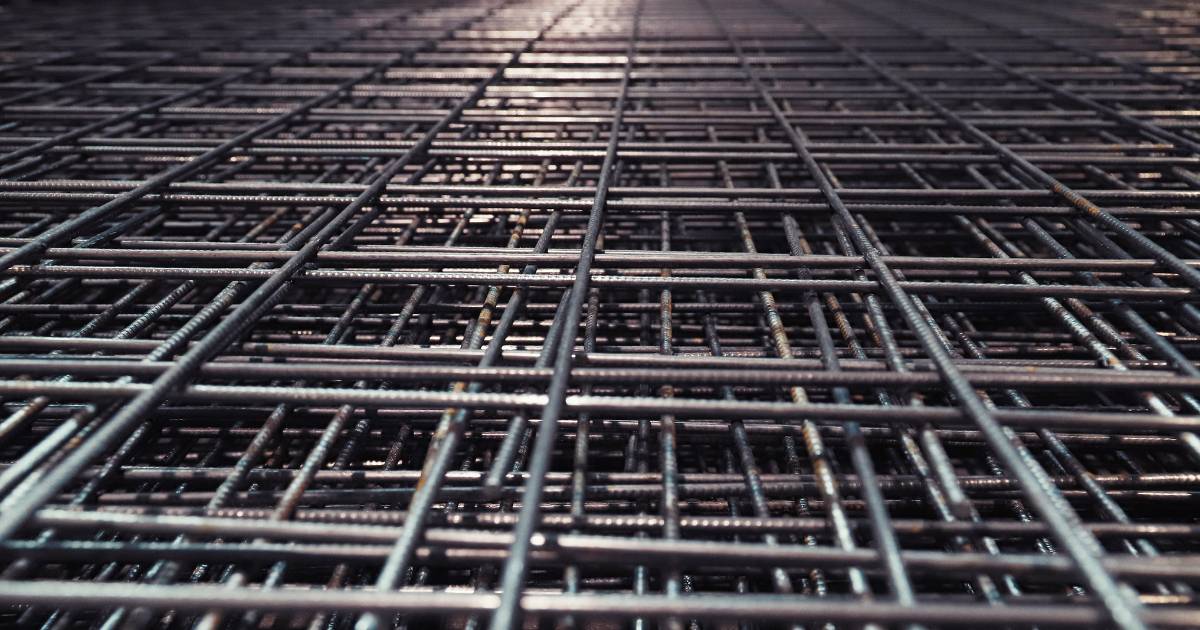
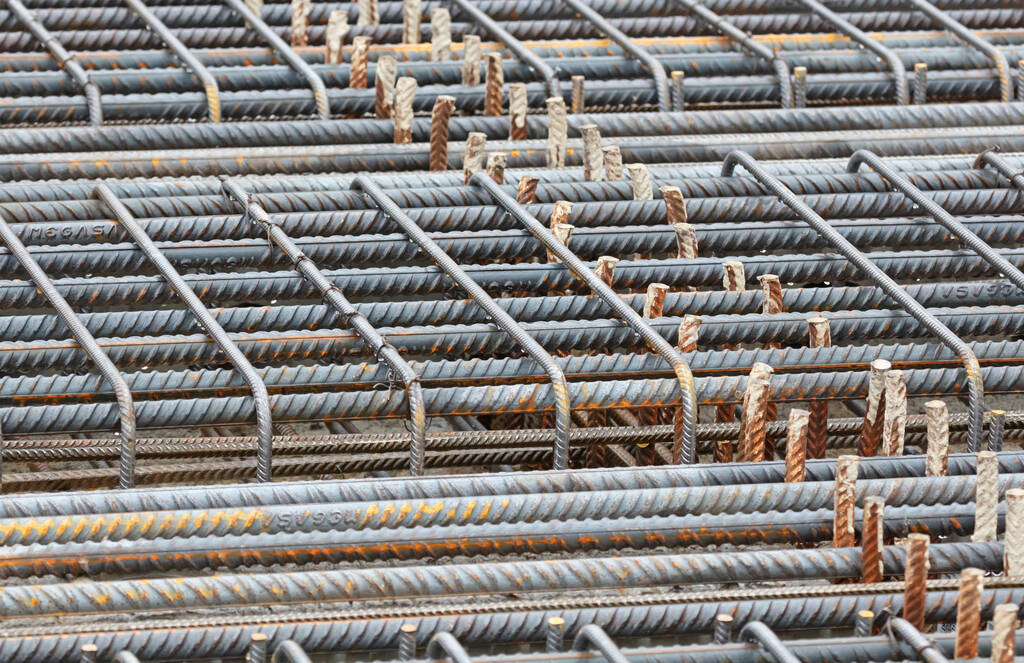
Rebar is steel reinforcement placed within concrete elements such as slabs, footings, beams, columns, retaining walls, and stairs. It is used because concrete is strong in compression but weak in tension, while steel performs well in tension.
Together, concrete and reobar create reinforced concrete that better resists cracking, bending, and settlement. In practical terms, it helps a home stay level, stable, and durable under loads and over changing seasons. For more information, visit https://covertprocurement.com.au/product/reo-bar-safety-protection-strips-1m-in-length/ to explore the role of reobar in reinforced concrete construction.
How does rebar actually make concrete stronger?
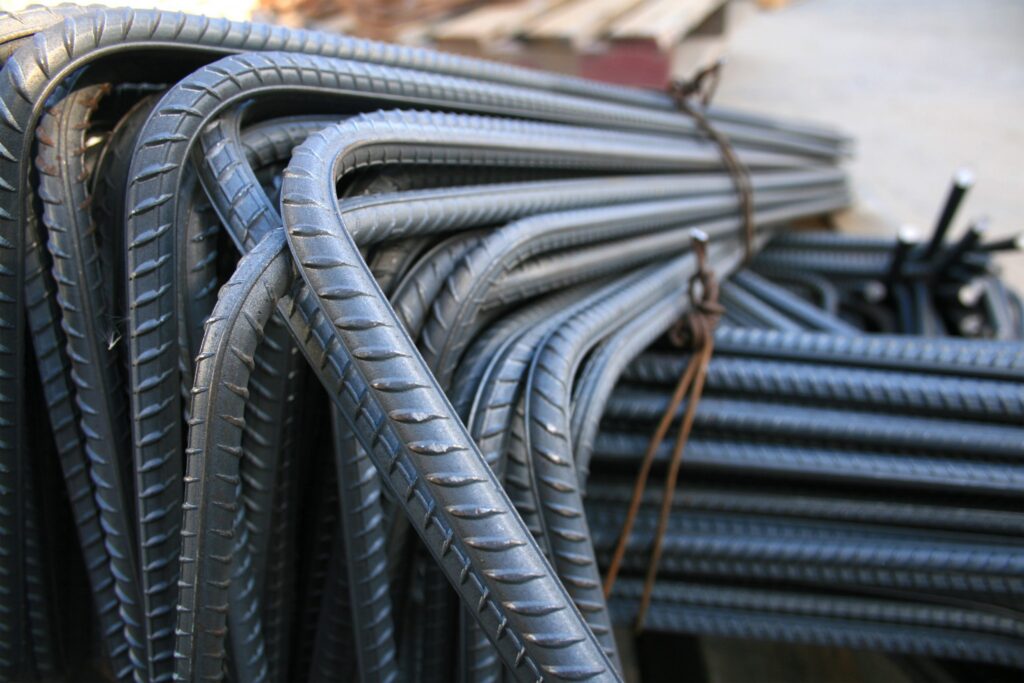
Rebar improves strength by carrying tensile forces that concrete cannot. When a slab or beam bends slightly under weight, the tension zone develops micro-cracks, and the steel reinforcement helps control those cracks and maintain capacity.
It also improves ductility, meaning the structure can deform slightly without sudden failure. That controlled behaviour is a key reason engineers rely on rebar in foundations and load-bearing components.
Where is rebar typically found in a house?
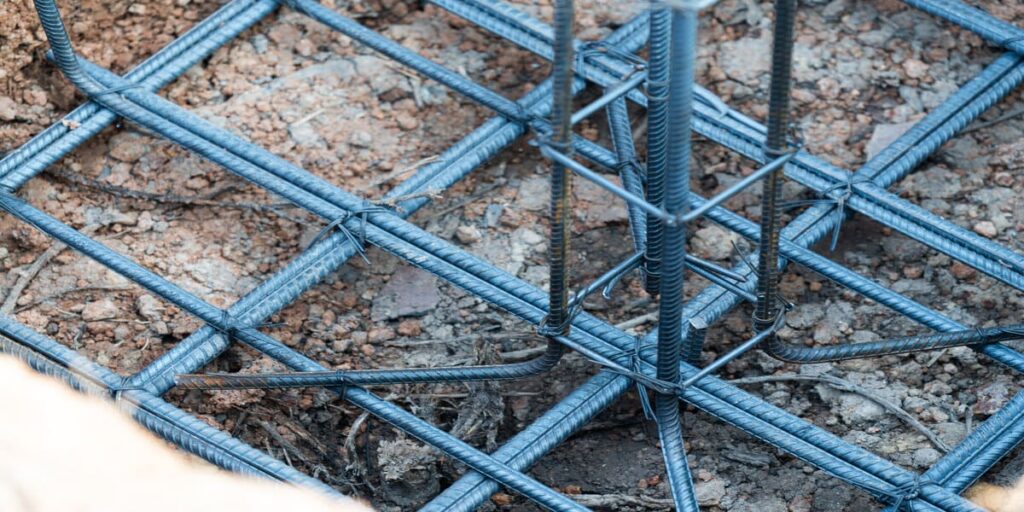
In most reinforced concrete homes, rebar is commonly found in footings, ground-bearing slabs, suspended slabs, lintels, ring beams, columns, and retaining walls. It may also be used around openings, corners, and changes in level where stress concentrations occur.
Even where a house looks like “just concrete,” the placement, spacing, and cover of rebar often determine whether that concrete performs well for decades.
What happens if rebar is missing, poorly placed, or under-specified?
If rebar is missing or reduced below design needs, cracking can become wider and more frequent, deflection can increase, and localised failures become more likely under loads. Poor placement is also common, such as bars sitting too high or too low in slabs, reducing their effectiveness.
Under-specified rebar can also limit future flexibility. For example, owners may struggle to add heavy finishes, extend rooms, or change layouts if the original reinforcement is marginal.
How does rebar influence cracking, settling, and structural movement?
Cracking is not always a sign of danger, but crack width and pattern matter. Rebar helps limit crack widths by distributing tensile stresses and keeping concrete sections working as a unit.
Settlement and movement can be worsened when reinforcement is inadequate in footings and tie beams. Well-designed rebar detailing can improve continuity across the structure, reducing differential movement that often shows up as stepped cracks in masonry or uneven floors.
How does corrosion affect rebar and long-term durability?
Corrosion is one of the biggest long-term risks to rebar, especially when concrete cover is insufficient or when chloride exposure is present. When steel corrodes, it expands, which can crack and spall the surrounding concrete, exposing more steel and accelerating deterioration.
That cycle can turn a cosmetic issue into a structural repair. Protecting rebar through proper cover, good concrete quality, and moisture control is a practical way to safeguard durability.
What does “cover” mean, and why does it matter for rebar?
Cover is the thickness of concrete between the surface and the rebar. Adequate cover protects the steel from water, oxygen, and aggressive agents, and it also helps with fire resistance.
Too little cover can lead to early corrosion and spalling. Too much cover can reduce structural efficiency in certain elements. This is why rebar placement is not just about “adding steel,” but about positioning it correctly.
How can rebar affect renovation plans and extension costs?
Renovations often involve cutting openings, drilling fixings, removing walls, or adding loads. Rebar can limit where penetrations can safely go and may require scanning before cutting to avoid severing reinforcement in slabs or beams.
On the other hand, a home with sensibly designed rebar may handle planned upgrades more confidently, reducing the need for expensive strengthening work when owners extend kitchens, add upper floors, or build retaining structures.
How does rebar impact a home’s resale value and buyer confidence?
Buyers rarely “see” reinforcement, but it shows up in outcomes: straighter floors, fewer worrying cracks, and less evidence of movement. Where inspections identify structural concerns, the implied quality of rebar detailing and workmanship can affect negotiations. Learn more about how reinforcement detailing and workmanship influence structural performance and property evaluations.
Documentation can also matter. Clear drawings, compliance certificates, and records of structural work can reduce uncertainty. When buyers trust the hidden structure, it can support stronger offers and smoother sales.
What should homeowners ask a builder or engineer about rebar?
They should ask what standard the design follows, how bar size and spacing were determined, and how placement will be checked before pouring. They should also ask about concrete cover, spacers, lap lengths, and how the reinforcement will be supported so it does not shift during the pour.
For existing homes, they can ask whether visible cracks suggest movement, moisture ingress, or potential rebar corrosion, and whether a structural assessment is warranted.
How can they spot warning signs linked to rebar problems?
They should look for rust staining, spalling concrete, exposed steel, widening cracks, and recurring damp patches near concrete edges. Uneven floors, doors sticking, or cracks that grow seasonally can indicate movement that may relate to reinforcement design, soil behaviour, or drainage.
These signs do not automatically prove rebar failure, but they are reasons to investigate early, while repairs remain simpler and cheaper.
What is the simplest takeaway about rebar and long-term value?
Rebar is not an optional upgrade; it is a core part of how many homes stay strong, safe, and stable over time. When it is designed well, installed correctly, and protected from corrosion, it helps reduce costly defects and supports future renovations.
In resale terms, good reinforcement tends to show up as fewer red flags, fewer repair bills, and stronger buyer confidence, which is exactly what protects long-term value.